Forum Paliw Gazowych 2026: LPG in a time of great change
29 April 2026
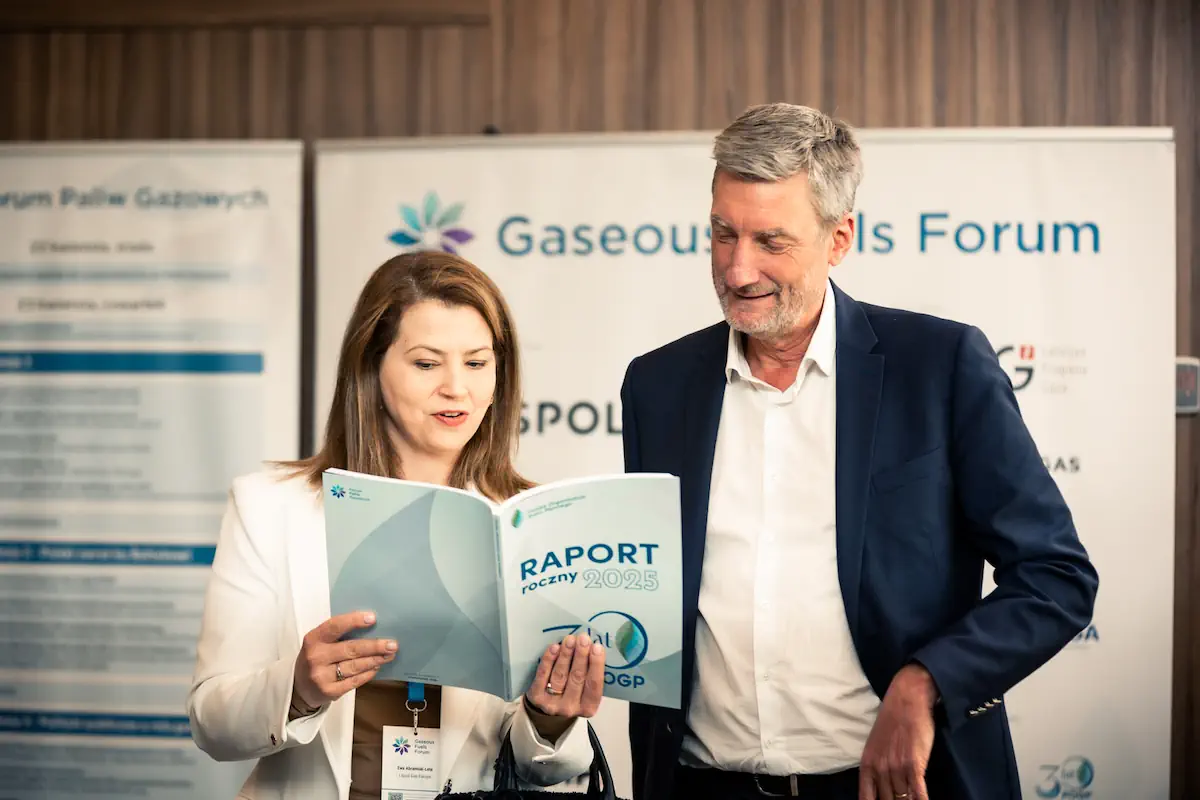
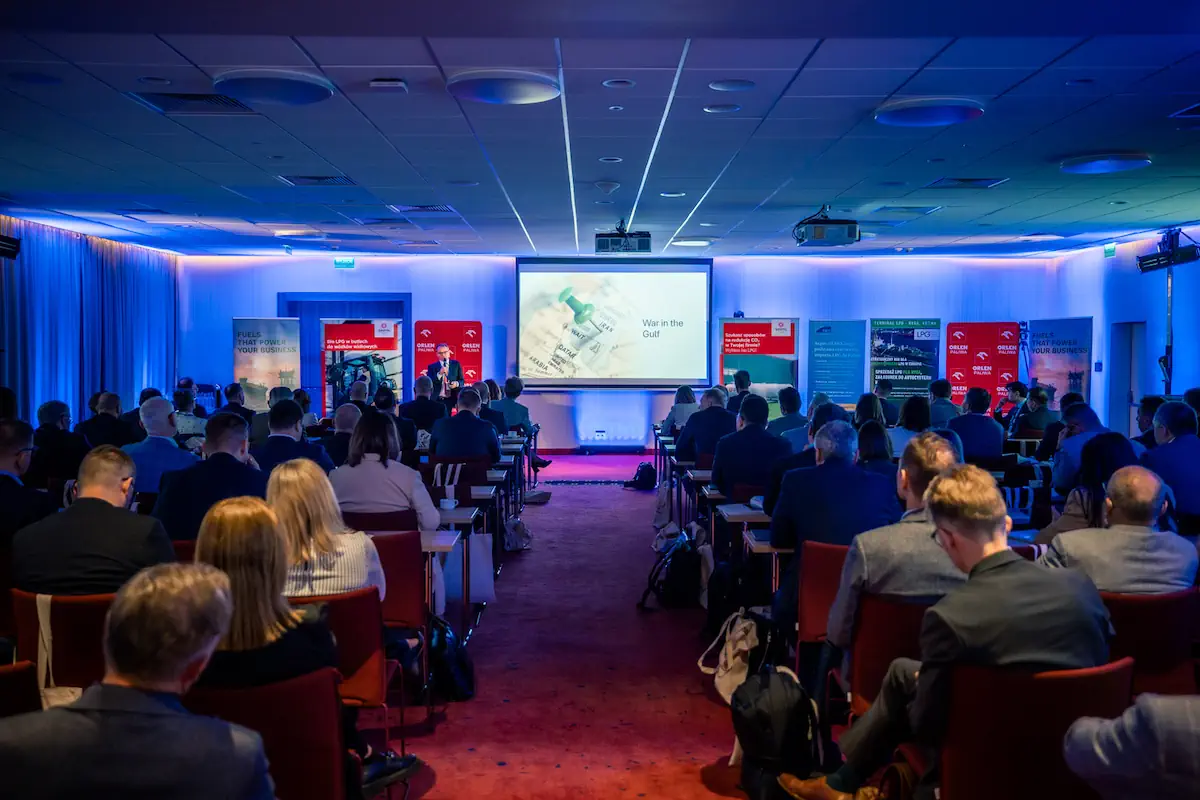
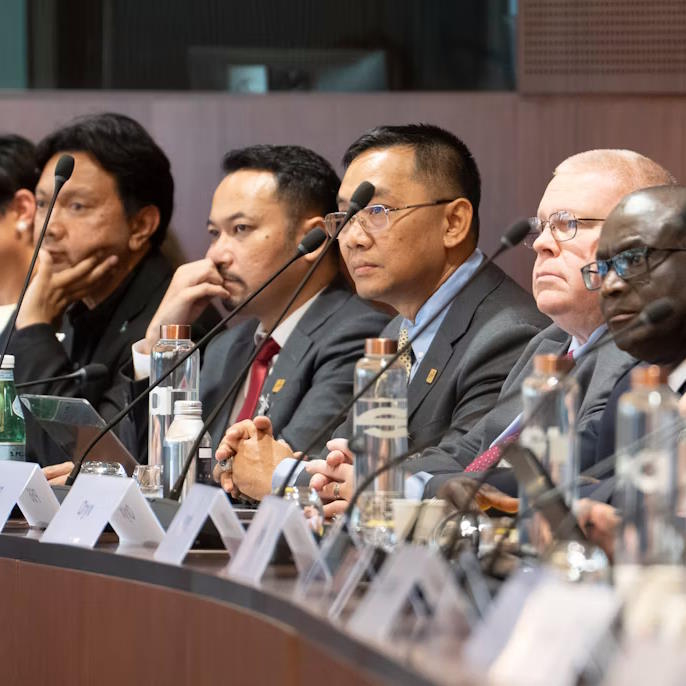
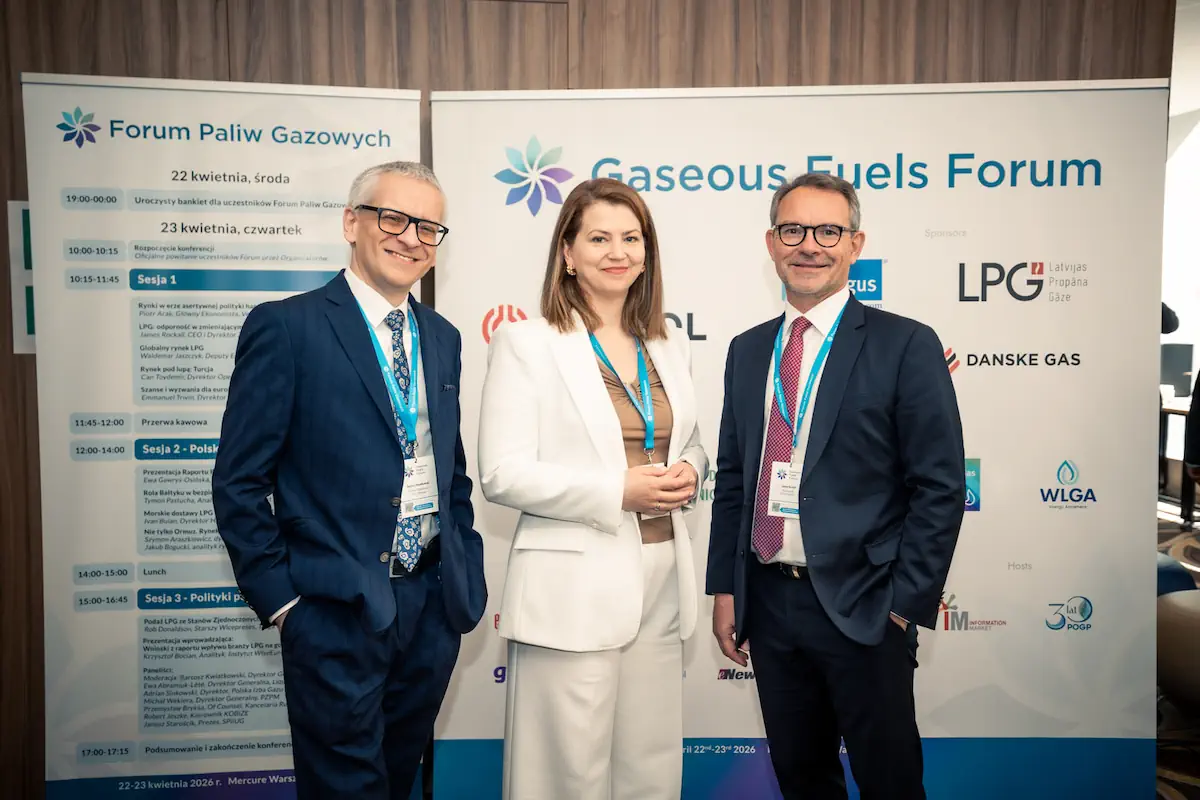
On 22-23 April the 3rd edition of Forum Paliw Gazowych (the Gaseous Fuels Forum) was held in Warsaw, this year organized under the theme "Rynek LPG w dobie asertywnej polityki handlowej" (The LPG Market in an Era of Assertive Trade Policy). As always, the Polish Liquefied Gas Organization (POGP) presented its Annual Report for 2025 during the conference. The conference, a joint project of POGP and Information Market, drew 19 speakers and around 150 participants from Poland and abroad.
The future of LPG and the potential for using this product in the energy transition are issues that matter for the economy and for energy security. The Forum’s agenda reflects the real challenges facing the liquefied gas sector. This year the Forum Paliw Gazowych (the Gaseous Fuels Forum) presented the findings of 3 reports: the POGP Annual Report for 2025, the report by the WiseEuropa institute titled Branża LPG: Rola i zastosowanie w gospodarce Polski (The LPG Industry: Its Role and Application in the Polish Economy) and the report by the Polish Institute of International Affairs (PISM) titled (Nie)bezpieczne wody: Region Morza Bałtyckiego wobec redefinicji bezpieczeństwa w Europie ((Un)safe Waters: The Baltic Sea Region and the Redefinition of Security in Europe).
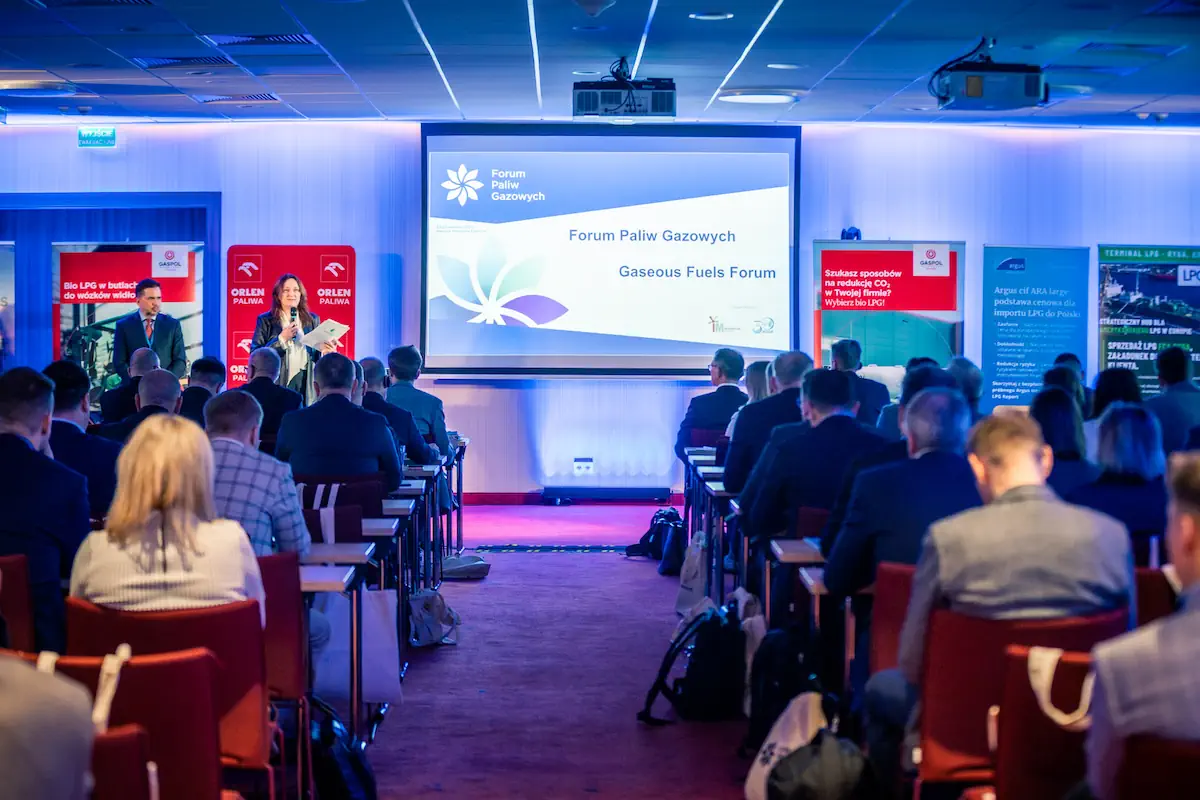
In 2026 the event was held under the honorary patronage of the Minister of Energy, the President of the Office of Technical Inspection and the Director of Transport Technical Supervision. Patronage of the Forum was also granted by the World Liquid Gas Association and Liquid Gas Europe. The sponsors of the conference were Gaspol, Argus Media, Latvijas propāna gāze, Orlen Paliwa and Danske Gas. The participants included not only representatives of business but also special guests representing key state institutions and industry organizations, which underlined the importance of the topics discussed for the security and development of the economy.
Guests of the Forum were welcomed jointly by the President of the Polish Liquefied Gas Organization Ewa Gawryś-Osińska and the CEO of Information Market Robert Bukowski, who at the same time opened session 1 of the event: Rynek LPG w dobie asertywnej polityki handlowej (The LPG Market in an Era of Assertive Trade Policy). In a presentation introducing the subject Piotr Arak, Chief Economist of VeloBank and an expert of the Atlantic Council, outlined the symptoms of the "end of history" of the era of free trade in the world. The expert drew attention to the advancing change in the global economic order – a retreat from the idea of free trade in favor of protectionism, which is particularly stark in US policy toward organizations such as the WTO. The speaker emphasized the evolution of economic concepts, pointing out that tariffs have ceased to be merely a protective shield and have become an active mechanism of pressure and a weapon in international relations. In the context of current politics Arak sketched out a “map of uncertainty”, drawing attention among other things to the role of exchange rates: the drive of the United States to weaken the dollar in order to support exports, and the reactions of China, which is manipulating the yuan exchange rate in response to tariff barriers. Despite the difficult environment and the stagnation of the German economy, which has continued without a break since 2019, Poland still appears to be a country that retains growth prospects, although one that requires vigilance in the face of global reshuffling.
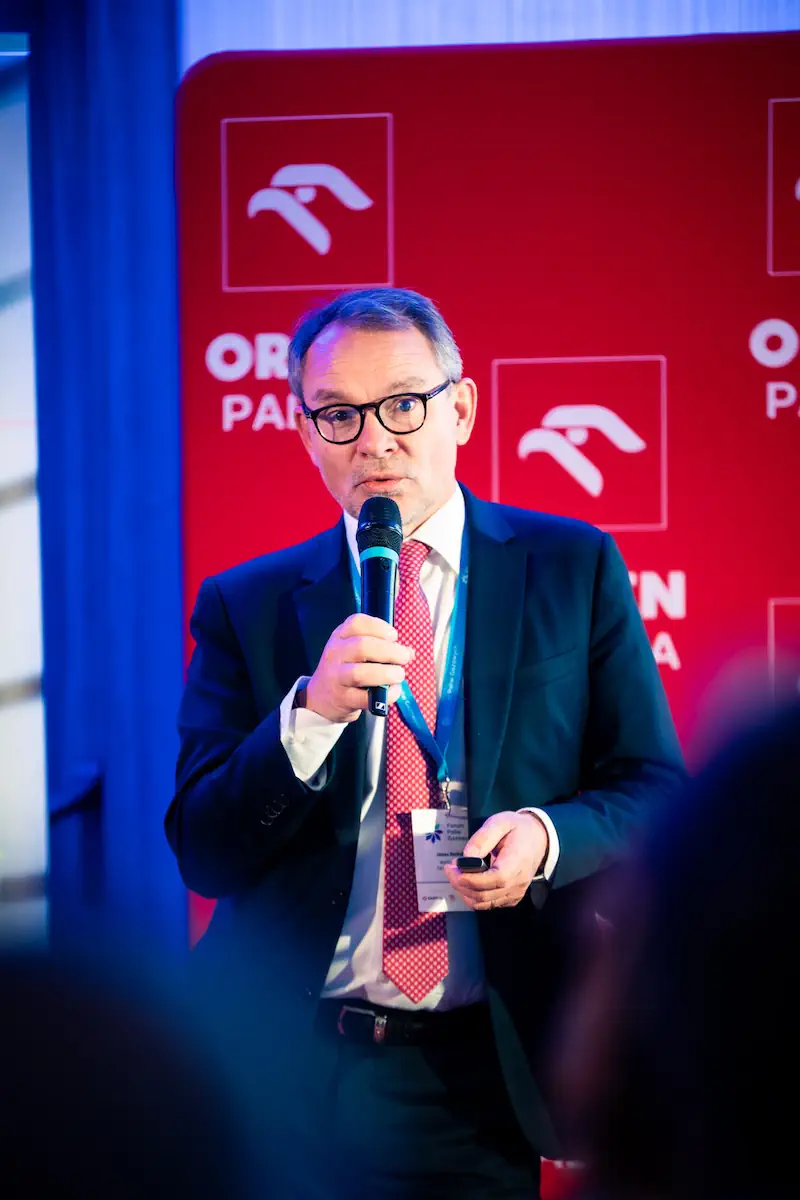
James Rockall, Managing Director of the World Liquid Gas Association (WLGA), focused on the role of LPG as a reliable fuel in an increasingly unstable world. In his presentation he concentrated on the resilience of the sector in the face of global change, pointing to the unique features of LPG that make this fuel an exceptionally effective tool in times of uncertainty. Rockall emphasized that the key advantage of LPG is its enormous capacity to adapt – the fuel guarantees independence from centralized transmission networks and offers exceptional ease in reaching customers, even in the most demanding locations. In his analysis of the current situation the speaker referred to the changes resulting from American policy and the growing role of the United States on the global energy market. He noted that although global uncertainty brings numerous challenges, the industry can turn them into successes. The necessary condition, however, is a proactive stance: the LPG sector must be visible and audible in key energy debates so as not to allow itself to be marginalized. Rockall closed by inviting all participants to Liquid Gas Week, which will be held in mid-October in Istanbul under the theme LPG: Resilience in a Changing World.
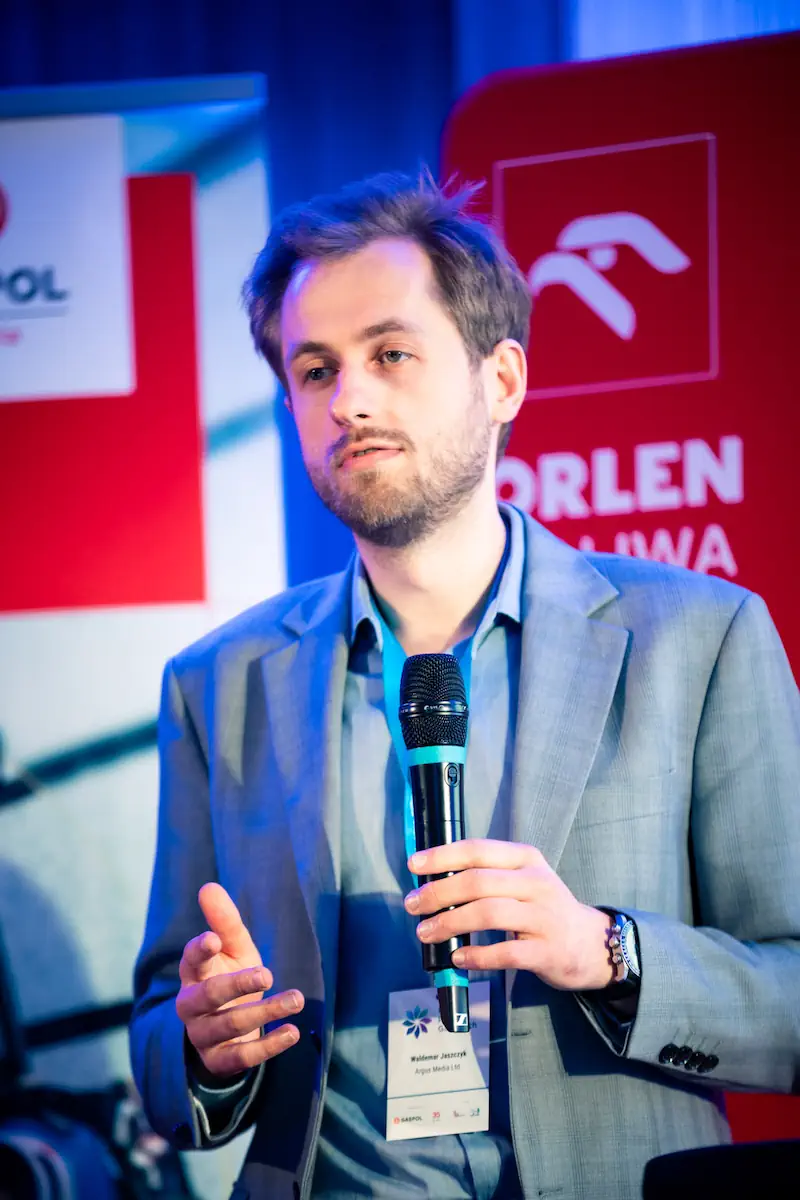
The remarks of the head of the WLGA were complemented by Waldemar Jaszczyk, an editor at Argus Media, who examined in detail the condition of the European LPG market in the shadow of the conflict in the Middle East. The speaker focused on the strategic role of the Strait of Hormuz, pointing out that its closure hits China and India hardest, but that it also strikes Europe on the rebound. He devoted particular attention to the butane market, which, unlike propane, is far harder to replenish with increased exports from the United States, which makes it more susceptible to turbulence. During his presentation the expert set out the scale of the damage to infrastructure in the Middle East, which will make a return to normal functioning of the market drastically more difficult even after the conflict has been extinguished. In doing so Jaszczyk sketched out an optimistic scenario: assuming that the blockade of Hormuz were to end on 1 May, the global market could regain its balance only toward the end of 2026. The expert also explained why European prices react so violently to this conflict – the reason is above all insufficient local production in Europe, which forces Poland to rely on imports from unstable sources. His analysis also covered the specific price phenomena accompanying the war and the drastic jumps in premiums. Jaszczyk noted that the all-pervasive uncertainty has pushed the industry into “ad hoc mode”, which further magnifies the volatility of quotations and makes it harder to plan stable supply over a longer horizon.
The next speaker, Can Toydemir, Chief Operating Officer of Milangaz, presented the perspective of the Turkish market. The speaker pointed to numerous similarities between the Turkish and the Polish market, above all a strong dependence on supplies from abroad – Turkey imports as much as 75% of its LPG demand, of which almost half (47%) comes from Algeria. Toydemir described in detail the impressive logistics base of the country, which has 21 terminals located on three seas. Two facilities – Dortyol and Izmit – are of key importance for domestic supply, handling as much as 3/4 of the total volume of the fuel. The expert drew attention, however, to legislative challenges: restrictive Turkish rules on mandatory stocks significantly limit the operational flexibility of energy companies. In his historical analysis of the market Can Toydemir illustrated the profound sectoral transformation that has taken place in Turkey since 2000. A drastic decline was recorded at that time in the cylinder segment (by 73%) and in the bulk segment (by 89%), accompanied at the same time by spectacular growth of 300% in the autogas sector. The speaker also discussed the specific legal regulations governing the operation of these markets, and the presentation closed with a set of guidelines on “good autogas trade”, which emphasized the importance of ethics and business responsibility in building a professional market.
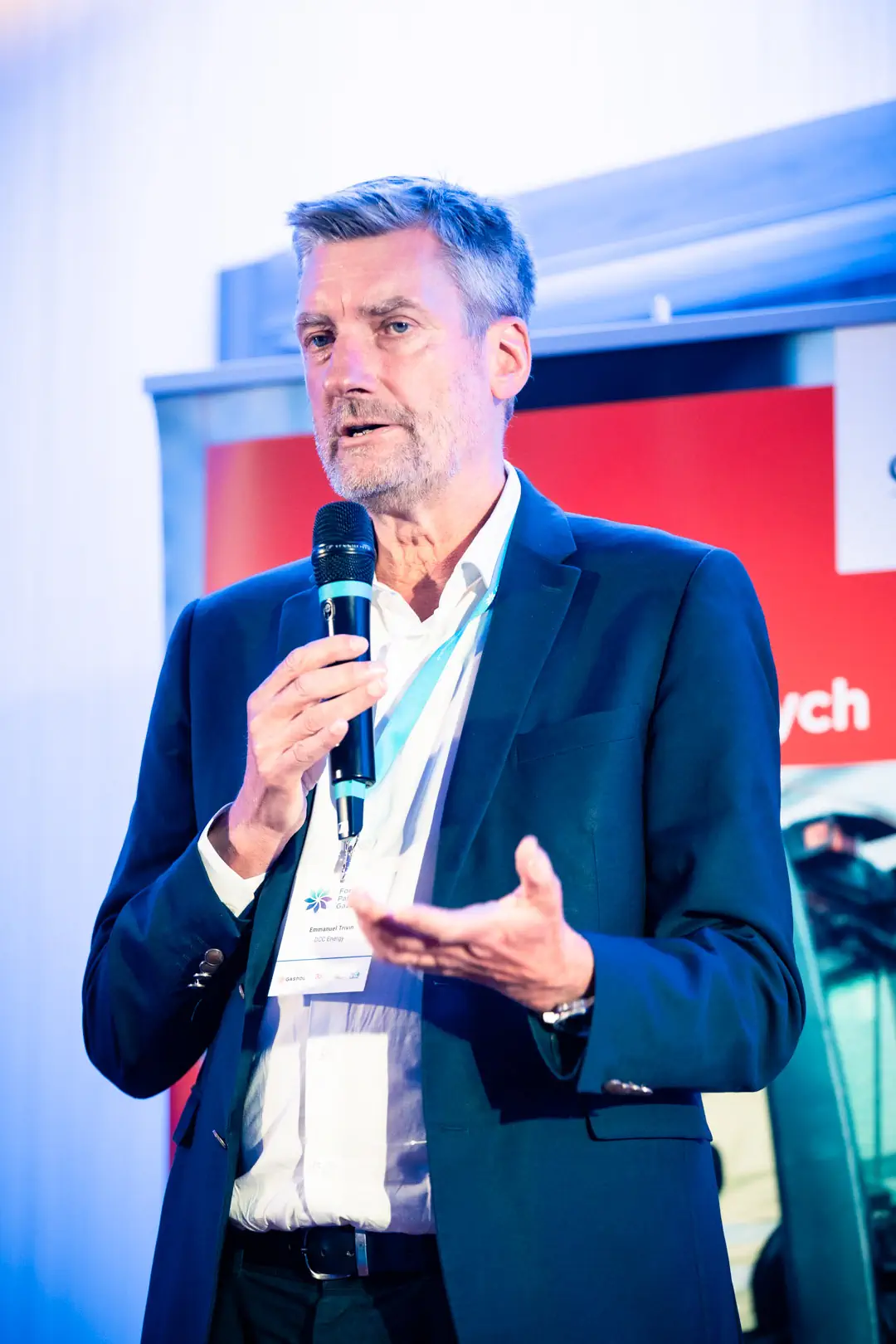
Session 1 closed with a presentation by Emmanuel Trivin, Managing Director of DCC Energy for Continental Europe. The expert discussed in detail the changing expectations of consumers in today’s economic reality, pointing to the need to adapt what is on offer to the new needs of customers in Europe. Trivin also emphasized that in order to build credibility and a strong brand for the whole industry it is essential to choose specific directions of action that will allow it to become more recognizable in public debate. Among the critically important tasks he listed the active participation of the sector in decarbonization processes and the intensive development of bioLPG. An important point of his presentation was an explanation of the terms of the forthcoming acquisition of UGI’s holdings in Central Europe, which is to be finalized in the coming weeks. Trivin’s presentation shed new light on the strategic aspects of the group’s expansion in the region.
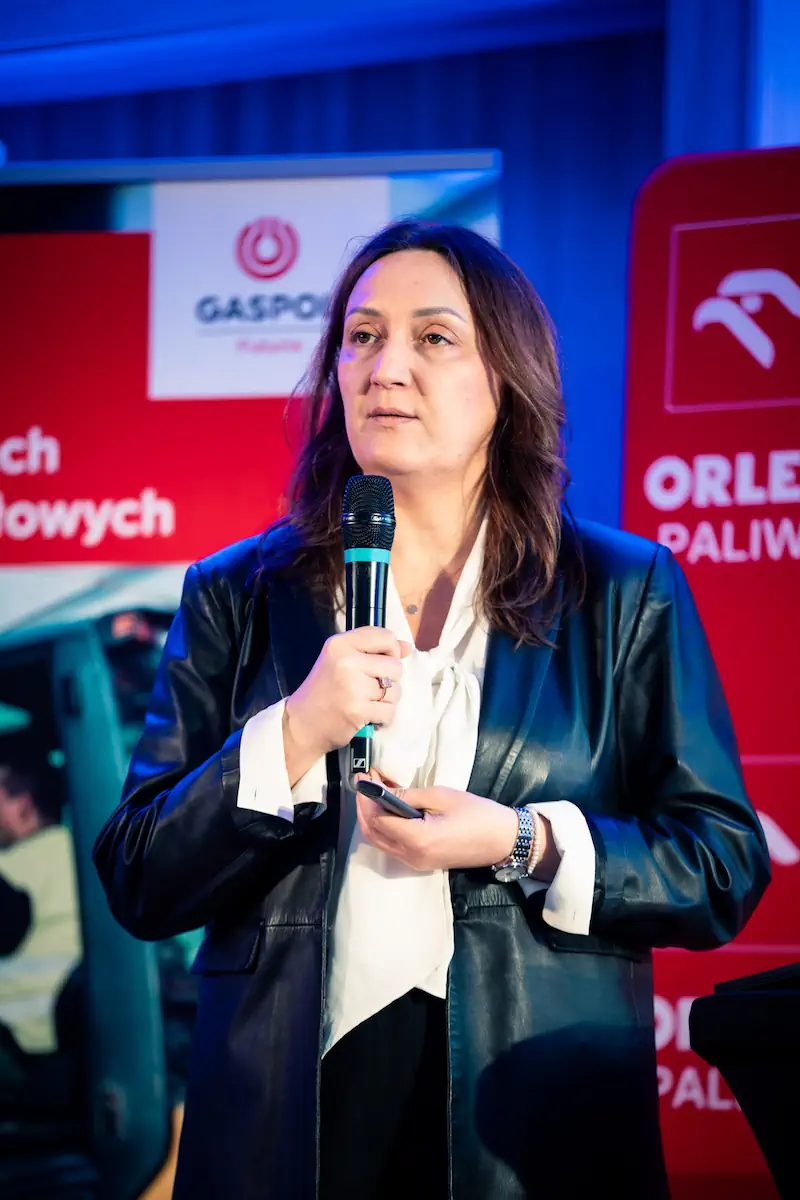
Session 2, titled Polski zwrot ku Bałtykowi (Poland’s Turn Toward the Baltic), was opened by a presentation by Ewa Gawryś-Osińska on the findings of the POGP Annual Report for 2025. In her presentation she analyzed in detail the changes that have taken place on the domestic market over the past months. The speaker drew attention to the sharp, almost 38% fall in exports of liquefied gas from Poland, while at the same time domestic consumption remained stable. A noticeable and positive trend, recorded without a break since 2021, is the steady growth in demand for gas for agricultural and industrial purposes, which testifies to the progressive diversification of LPG applications in the Polish economy. In the context of transport Ewa Gawryś-Osińska set Polish statistics against European data, emphasizing the colossal importance of autogas in our country. The number of LPG-powered vehicles in Poland is as much as 30 times higher than the number of electric cars (EVs). The foundation of this advantage remains, as ever, price competitiveness against traditional fuels, although – as the President noted – the current pricing policy at filling stations (the CPN package) periodically disturbs that relationship. An important point of the presentation was a discussion of the deep changes in the sources of imports. In the face of the tightening of sanctions on LPG from the Russian direction, the Polish market made a historic turn toward seaborne and western supplies, which was a direct reference to the title of the session and confirmed the strategic importance of Baltic port infrastructure for the energy security of the country.
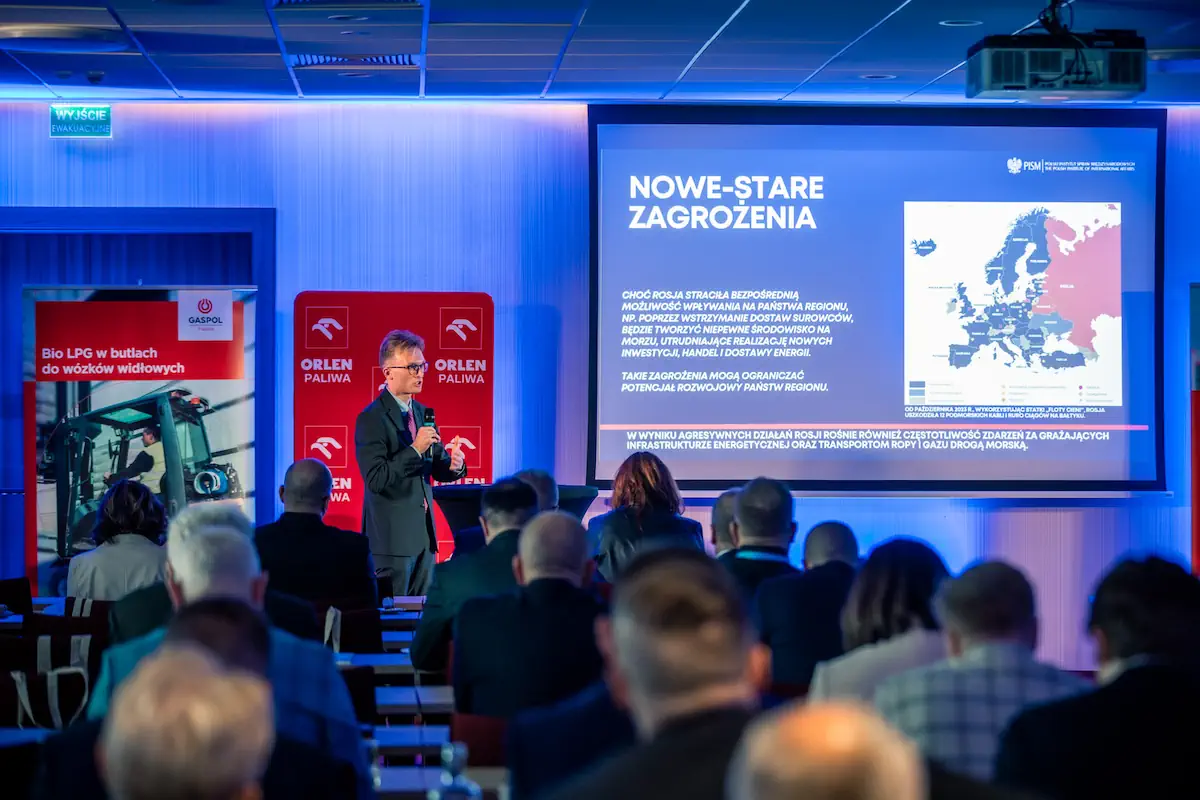
In view of the unprecedented turn toward supplying the Polish market by sea, through the Baltic terminals, Tymon Pastucha, an analyst at the Polish Institute of International Affairs, presented the findings of the PISM report titled (Nie)bezpieczne wody: Region Morza Bałtyckiego wobec redefinicji bezpieczeństwa w Europie ((Un)safe Waters: The Baltic Sea Region and the Redefinition of Security in Europe). His presentation focused on the new role of the Baltic in the architecture of Poland’s energy security. The expert pointed out that although our country is moving away from its traditional sources of supply, this may give rise to entirely new kinds of vulnerability and changes the character of the supply dependencies that have existed so far. The speaker presented a broad panorama of energy changes in the region, discussing among other things intensive investment in offshore wind farms and plans to expand nuclear power. These key infrastructure projects, however, require particular protection. In this context Pastucha outlined the threats connected with the so-called shadow fleet operating on the Baltic. He drew attention to the fact that the presence of vessels of unclear status increases the likelihood of deliberate or accidental damage to the transmission and energy infrastructure lying on the seabed. The presentation ended with an optimistic conclusion concerning regional cooperation. The analyst emphasized the high level of awareness of the Baltic states in the face of hybrid threats, which is translating into a marked intensification of military activity and coordination of defense measures that will guarantee the energy security of the entire region in the years to come.
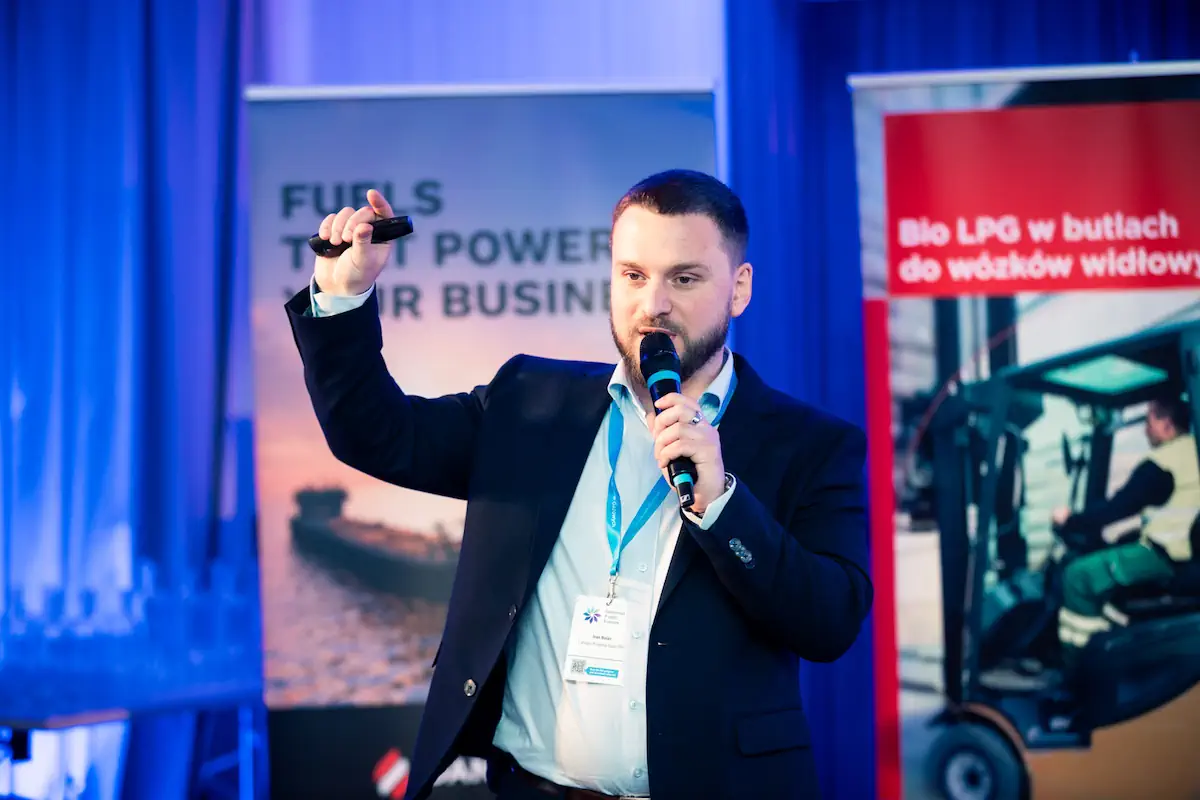
The question of fuel supplies to the Baltic was taken up directly by Ivan Buian, Commercial Director of Latvijas Propana Gaze. The speaker presented detailed regional statistics for Lithuania, Latvia and Estonia, setting them against data from the Polish market. A key point of his presentation was an analysis of regional port infrastructure, in which the port of Riga – served by the speaker’s company – was identified as an important complement to the capacity of the Polish sea terminals. Buian discussed in detail the sources of imports handled by the Baltic states, pointing to strategic supplies for his company from the American terminal at Marcus Hook. Participants in the conference were able to learn about the logistics solutions used at the terminal in Riga, where, in addition to conventional tanks with a capacity of 2 thousand tons, a fleet of around 300 rail cars performs a storage function, able to hold an additional 10 thousand tons of gas. The presentation also covered the technical aspects of the terminal’s transshipment capacity and the geographical breakdown of the company’s own sales. The maximum throughput of the terminal in Riga is around 400 thousand tons a year, some 35% of the throughput of the largest terminal in the region, in Gdańsk, which makes it one of the most important centers for trade in American liquefied gas on the Baltic.
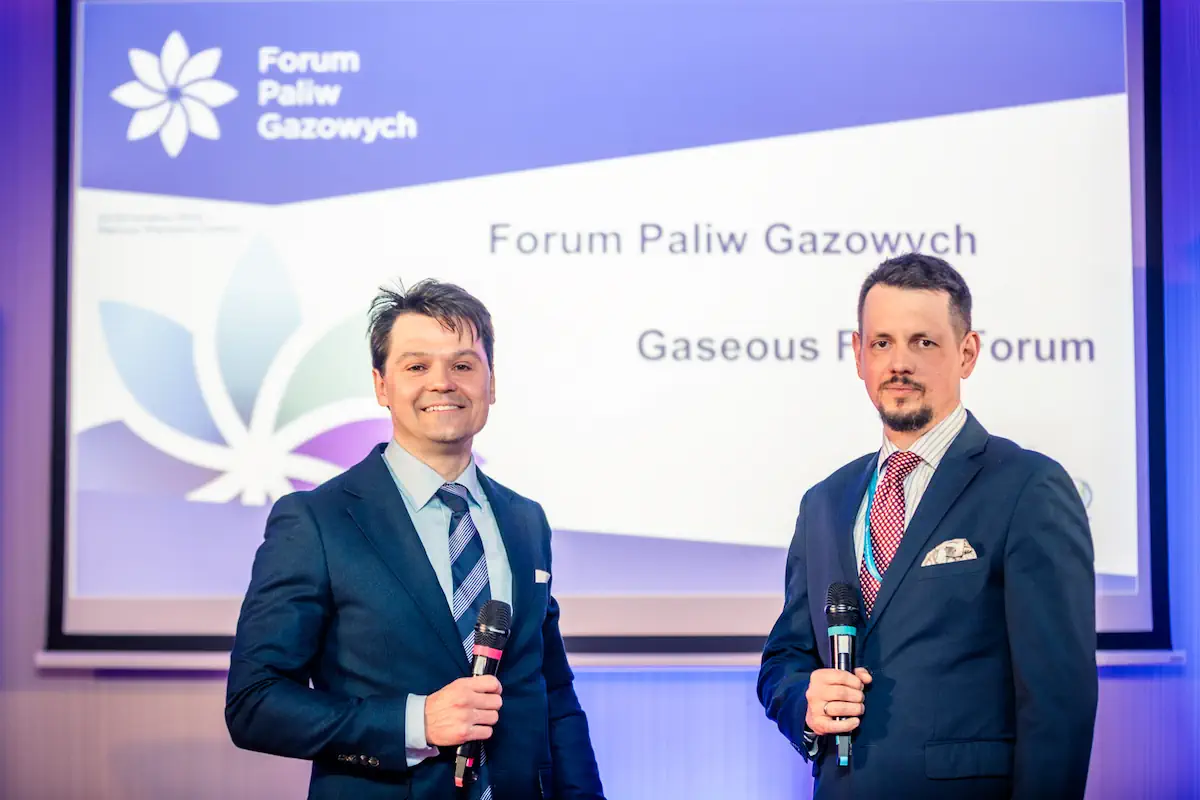
Summing up session 2, Szymon Araszkiewicz and Jakub Bogucki, experts at Information Market, discussed the conditions for fuel supplies by sea in times of geopolitical uncertainty. Imports in Poland cover around 1/4 of domestic gasoline consumption, 1/3 of diesel and around 80% of LPG. Continuity of supply by sea consequently gains in importance, and many factors – including the passability of sea routes such as the Strait of Hormuz – remain beyond the control of importers or of the operators of the national infrastructure. Increasing energy security requires substantial investment in infrastructure, and these are investments that should be coordinated at the political level. Even the unblocking of the Persian Gulf will not put an end to uncertainty, because the armed conflict has caused significant damage to infrastructure. As a result the role of the United States as the largest exporter of LPG in the world has grown stronger. The speakers emphasized that the fuel and LPG market today operates in conditions of multidimensional uncertainty, including the weaknesses of the European refining sector. An important element of their presentation was also the role of China and India on the global oil and LPG market, as well as the question of supply prospects in the face of the growing dominance of exports from the United States.
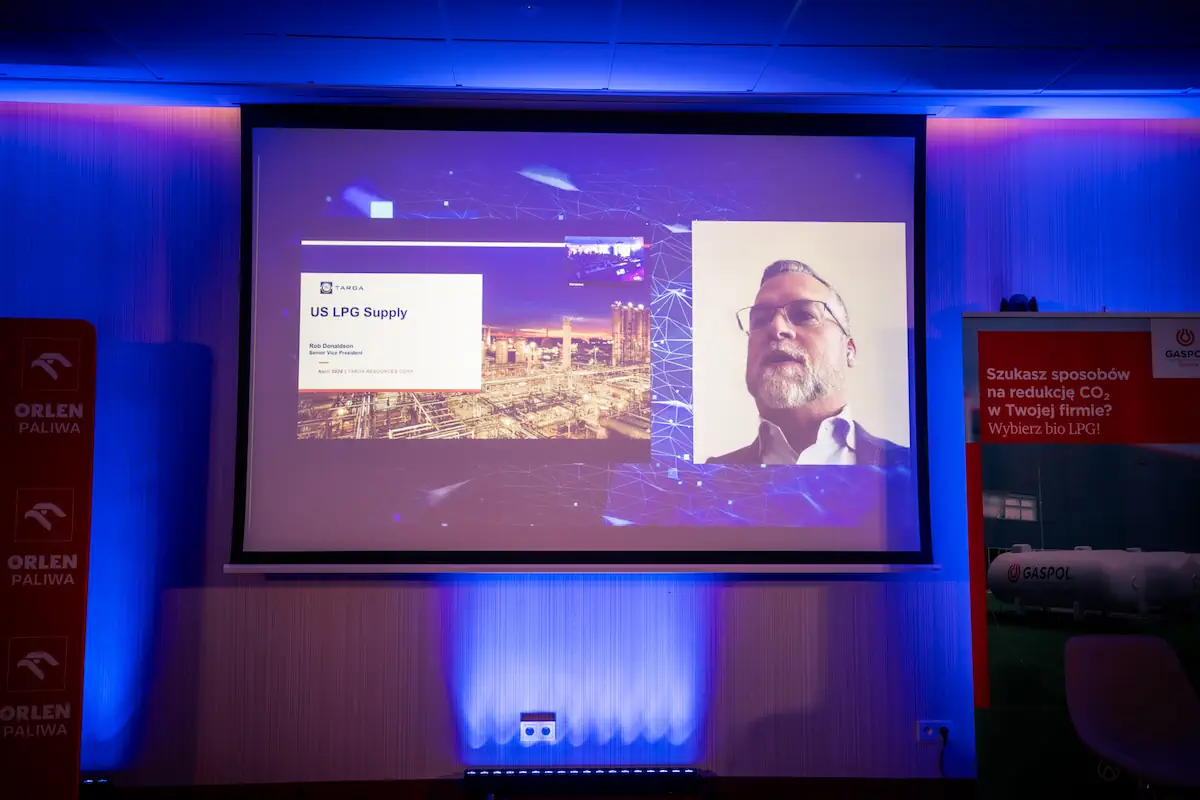
The third session was titled “Polityki publiczne a rola gazu płynnego” (Public Policies and the Role of Liquefied Gas), and it was opened by an online link-up in which Rob Donaldson, Vice President of Targa Resources, took the floor. Targa is one of the largest producers and exporters of LPG in the world, exporting around 1.5 million tons of LPG a month from Texas. The speaker assured the audience that the predictability of production in the United States makes it possible to meet growing foreign demand effectively over the longer term. He also addressed the current technical problems that affected the company’s infrastructure in March. The recent incident temporarily reduced the capacity of the Galena Park terminal, which handles close to 1/4 of all LPG exports from the United States, to around 70%. This coincided with the outbreak of the conflict in the Persian Gulf, which caused a short-lived, sharp tightening of supply, temporarily limiting American export capabilities. Donaldson emphasized, however, the strategic role of the Permian Basin as the foundation of stable growth in American LPG exports to Europe – over the past 5 years the growth in production from the assets of Targa Resources amounted to 16% a year, and for the next five-year period it is forecast at around 7% a year. In the same period domestic demand for LPG in the United States will remain stable, which means growing availability of the product for export.
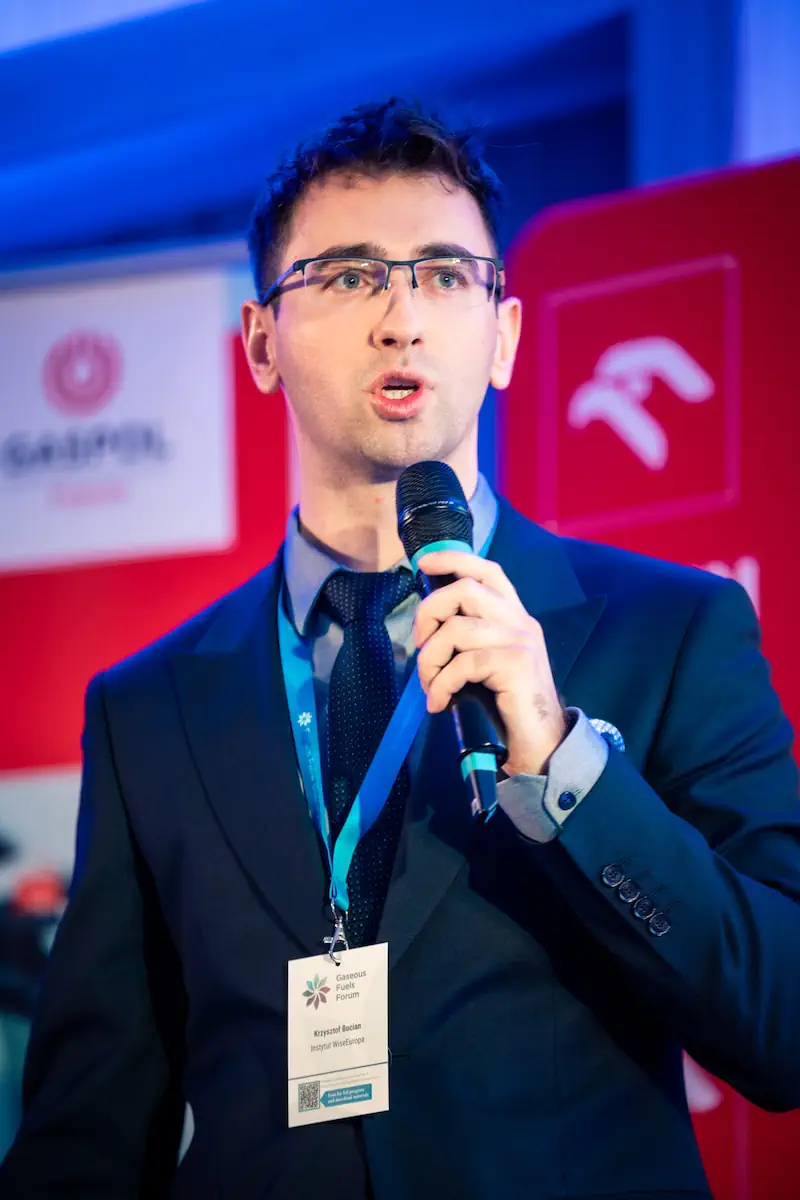
The conference culminated in a debate and a discussion of the findings of the latest report on the impact of the LPG industry on the Polish economy, and it was inaugurated by a presentation by Krzysztof Bocian, an analyst at the WiseEuropa Institute, who described the character of the liquefied gas industry in Poland, showing its importance through the prism of fundamental macroeconomic parameters that are discussed more rarely. The expert pointed above all to the scale of employment, estimating that close to 300 thousand people work in the sectors connected with this fuel. The role of the industry as a solid payer of taxes, constituting an important source of revenue for the state budget, was also emphasized. More information can be found in the report titled Branża LPG: Rola i znaczenie w gospodarce polskiej (The LPG Industry: Its Role and Significance in the Polish Economy), a summary of which was included in the POGP Annual Report for 2025.
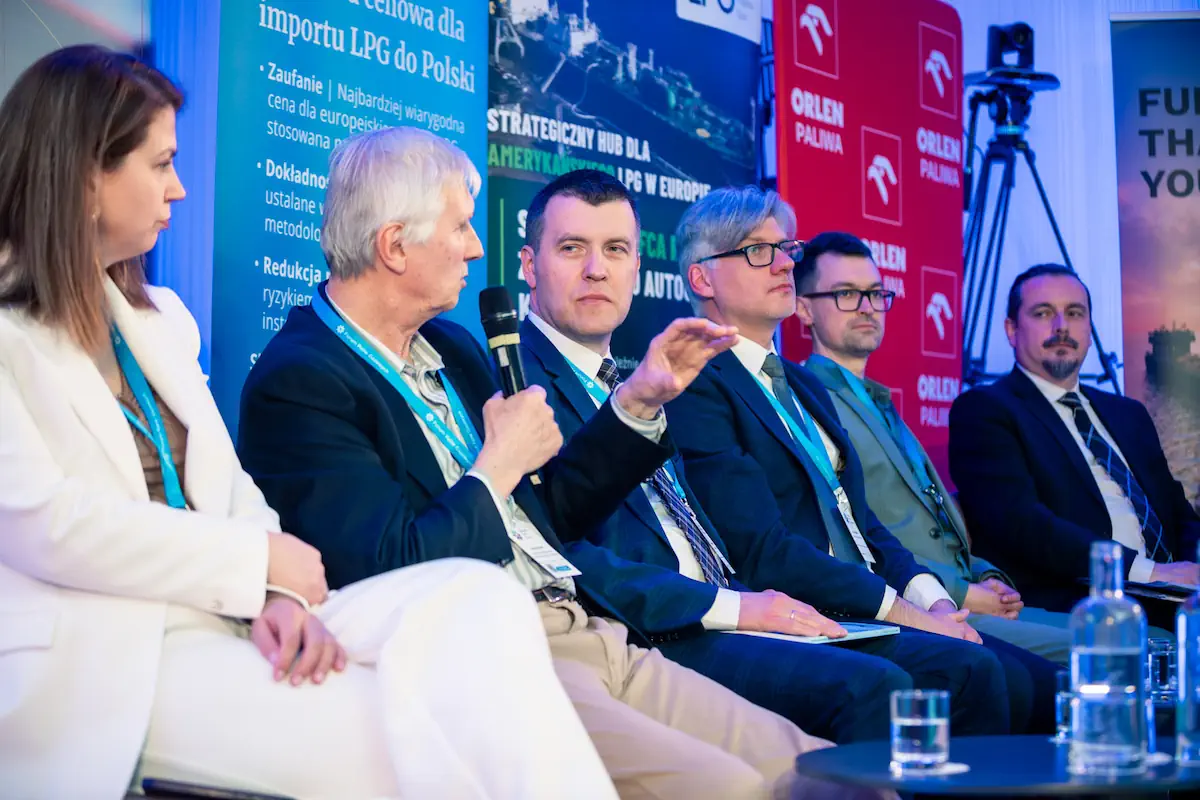
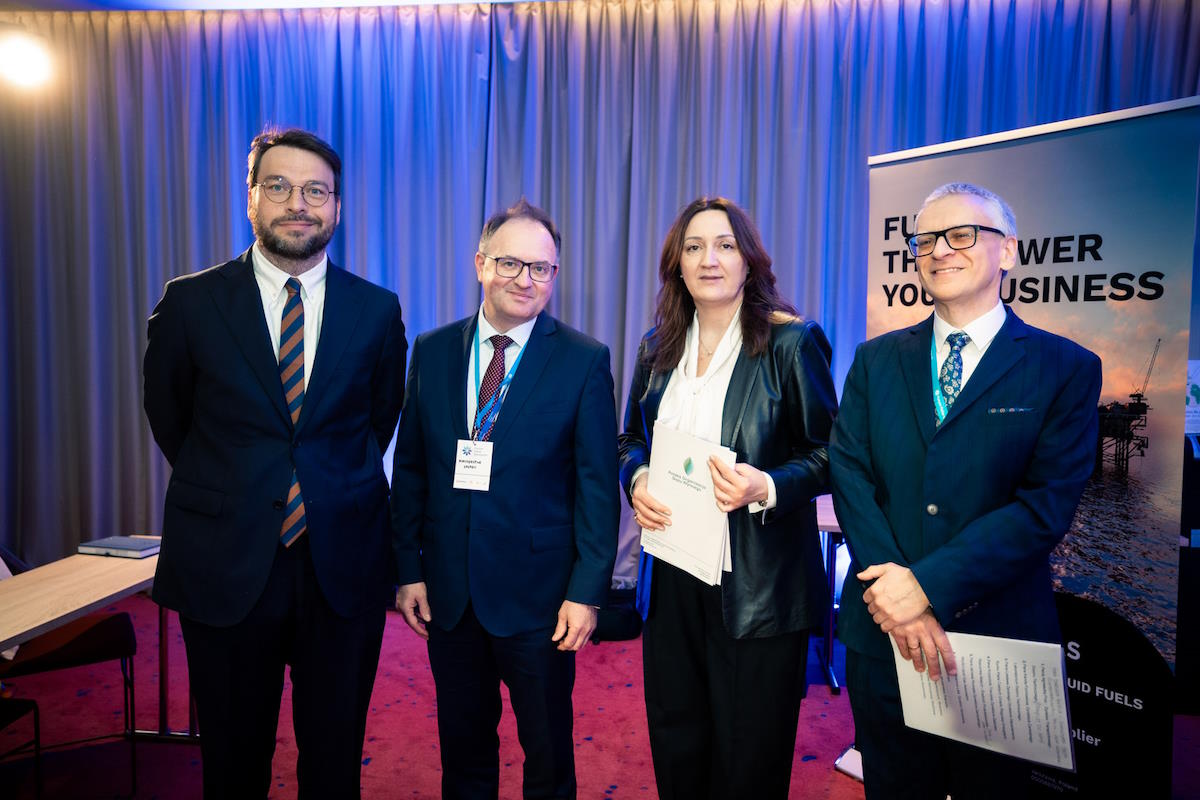
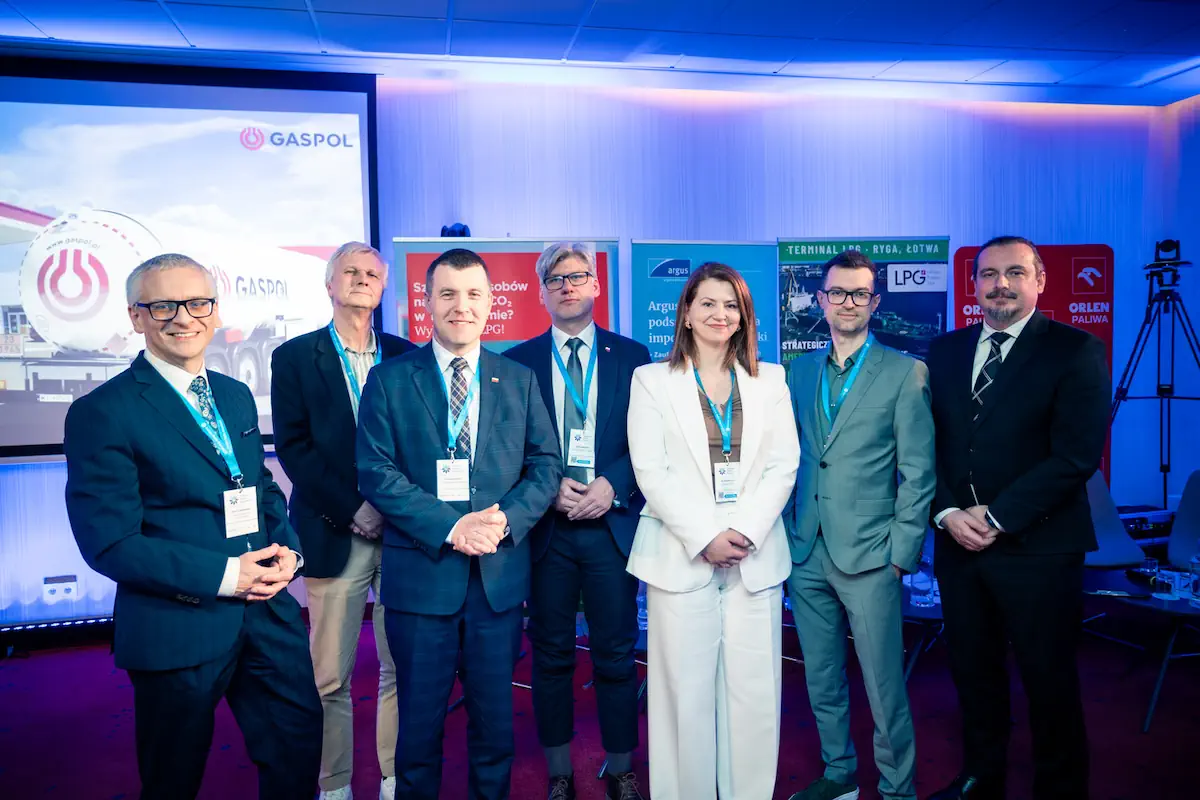
A characterization of the market drawn on such a broad scale provided the substantive foundation for the further debate, proving that the LPG industry is one of the key pillars of the national economy. This broad characterization of the market provided the substantive foundation for the debate moderated by Bartosz Kwiatkowski, Director General of POGP. Taking part in the discussion were Ewa Abramiuk-Lété of Liquid Gas Europe, Adrian Sinkowski representing Polska Izba Gazu Płynnego (the Polish Chamber of Liquefied Gas), Marcin Witaszek of Polski Związek Przemysłu Motoryzacyjnego (the Polish Automotive Industry Association), Przemysław Bryksa of the customs and tax advisory firm Kancelaria Doradztwa Celnego i Podatkowego Rutkowski i Wspólnicy, Robert Jeszke of Krajowy Ośrodek Bilansowania i Zarządzania Emisjami (the National Center for Emissions Management and Balancing) and Janusz Starościk, President of Stowarzyszenie Producentów i Importerów Urządzeń Grzewczych (the Association of Manufacturers and Importers of Heating Appliances).
The panel debate touched on the most pressing regulatory and market challenges, and its starting point was the CPN package, which in the view of the participants was treated dismissively by lawmakers. Adrian Sinkowski noted that the express legislative process, which lasted a mere 26 hours, made it impossible to take the industry’s demands into account, and that the official position of the government appeared long after the provisions had entered into force. At the same time he expressed concern about the current price situation, which is bringing the cost of LPG close to gasoline prices, which according to Bartosz Kwiatkowski may drastically reduce interest in new LPG conversion systems and cause customers to hold back from having autogas systems installed. As a result, contrary to the intentions of the authors of the package, it will harm Polish industry – because it is domestic manufacturers who dominate the market for conversion systems.
The transport thread was continued by Marcin Witaszek, who referred to the exclusion of gaseous fuels from Clean Transport Zones in Poland – a solution successfully applied in Italy – and pointed out that the mistake lies in the absence of a reliable verification of the emissions of vehicles, based solely on their age or on Euro standards. The next part of the discussion was devoted to the heating sector, where Janusz Starościk recalled that it was gas that contributed to the greatest degree to the success of the “Clean Air” program. Asked about the reason for excluding gas boilers from subsidies in 2025, Starościk answered outright that this decision has no substantive justification, but results from the ideological approach of financing institutions such as the European Investment Bank. Ewa Abramiuk-Lété, referring in the discussion to the question of bioLPG, identified renewable liquefied gas as a key element of the forthcoming revisions of the RED III and RED IV directives. Liquid Gas Europe estimates current production of this fuel at 600 thousand tons a year, but the key challenge remains redirecting it from refinery self-consumption to generally available sales, which would make it possible to realize expansive scenarios for the spread of biofuels. In turn, speaking about the area of emissions regulation, Robert Jeszke explained the intricacies of the ETS2 system, which, covering the transport and heating sectors, may generate real increases in fuel prices of the order of 50 groszy per liter of diesel and around 35 groszy per liter of LPG. The expert emphasized that although work on derogations for Poland is under way, leaving the ETS system is not possible, and therefore effective use of the Social Climate Fund may prove crucial. Poland is to become the largest beneficiary of this mechanism, which should significantly support the country’s energy transition and offset the social costs of the emission charges being introduced. The legislative thread was rounded out by Przemysław Bryksa, who discussed the draft reform of the emergency stocks system in the context of LPG. The expert noted that although many countries decide to release stocks in crisis situations, in Poland this system requires a thorough rebuilding and greater flexibility. He pointed to the bills under consideration, which provide for the possibility of companies discharging the stockholding obligation solely in the form of a stockholding fee, which would solve the problem of the lack of sufficient storage capacity for LPG. Bryksa questioned the rigid framework of the current provisions, asking about the justification for the requirement to hold stocks in gasoline instead of in diesel, which would be a more practical solution. He also noted that the efforts of the industry are bearing fruit, since the Ministry of Energy is planning changes to the system, including the maintenance of physical LPG reserves for municipal purposes. He emphasized at the same time that carrying out these intentions requires an urgent public debate, especially in view of the aforementioned deficits in the country’s storage infrastructure.
In the second round of questions Adrian Sinkowski drew attention to the untapped potential of cooperation with local governments, which the industry does not fully exploit today and which calls for closer relations. On the subject of heating Janusz Starościk took a critical view of forced electrification, pointing out that it is taking place at the expense of liquefied gas and leads to a lack of common-sense diversification of the energy mix. The panelists jointly appealed for a more active fight for the interests of the sector in the EU arena, where LPG is persistently omitted from strategic energy policy plans. In closing, Przemysław Bryksa offered an apt diagnosis, suggesting that the lack of personal experience of the Polish political class with autogas may be a real barrier to understanding the specific nature and importance of this sector for the economy. He noted that in the current Energy Policy of Poland the term appears only once, and similarly, in the National Energy and Climate Plan liquefied gas, LPG, is mentioned only in the context of logistics infrastructure. Ewa Abramiuk-Lété added that in many countries of Western Europe bioLPG has by contrast appeared in strategic documents – particularly for the purposes of decarbonizing heating in areas that are difficult to electrify. This is the case, among others, in Italy, Spain and Ireland.
Closing the debate, Robert Jeszke pointed to a declining forecast for the use of LPG in transport. In his view, the role of liquefied gas in Poland’s energy mix will long remain significant in heating, as a transition fuel in the energy transition, particularly in areas where electrification will be technically difficult or economically unviable.
The conclusions from the panel brought the 3rd edition of Forum Paliw Gazowych to a close. Once again the event made it possible to analyze in depth the challenges facing the industry both at home and in the broad context of EU regulation and market conditions.
Interviews with participants of Forum Paliw Gazowych can be found on the YouTube channel of the Polish Liquefied Gas Organization.