What Is Keeping the Global LPG Industry Busy?
8 December 2023
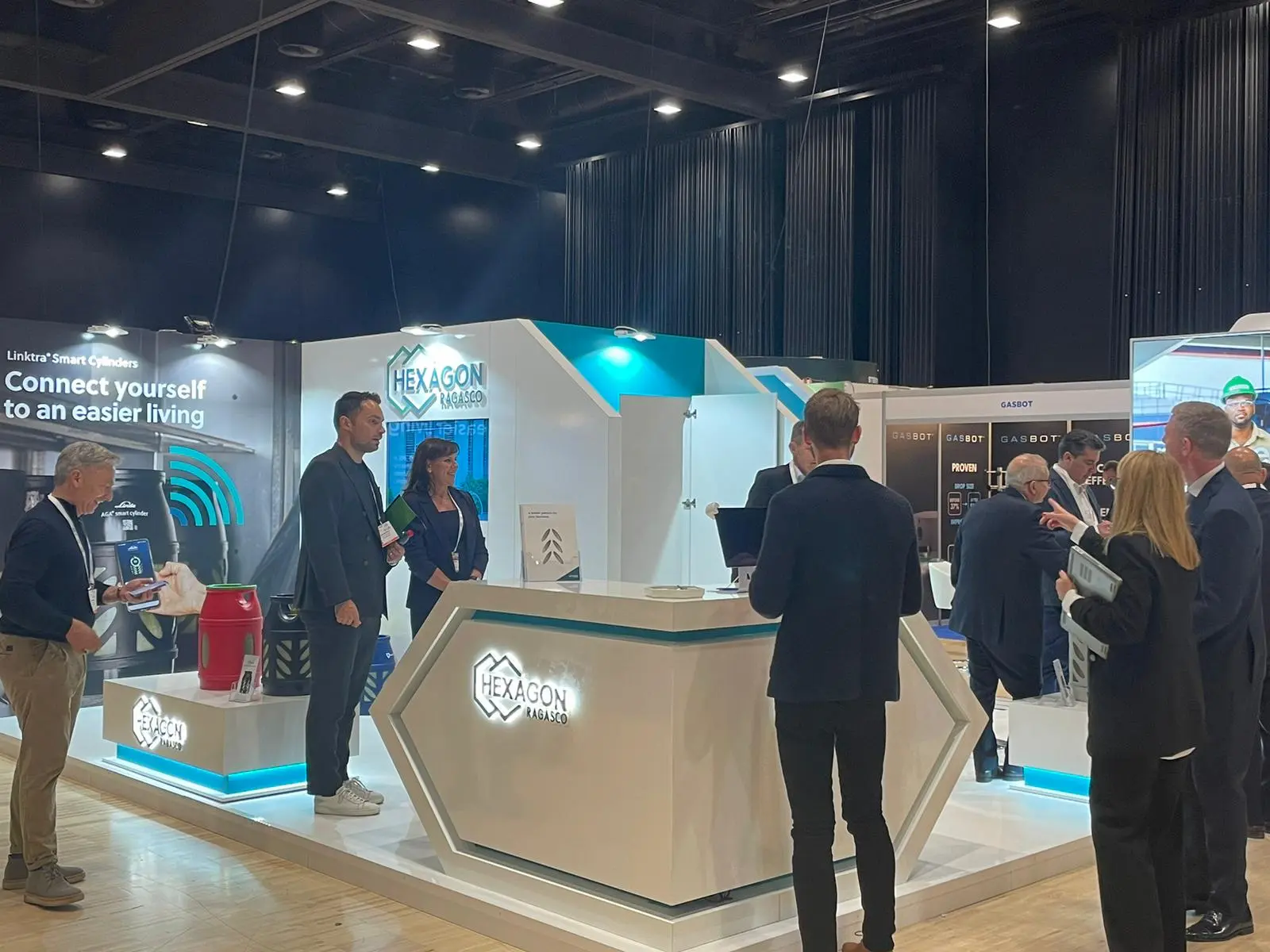
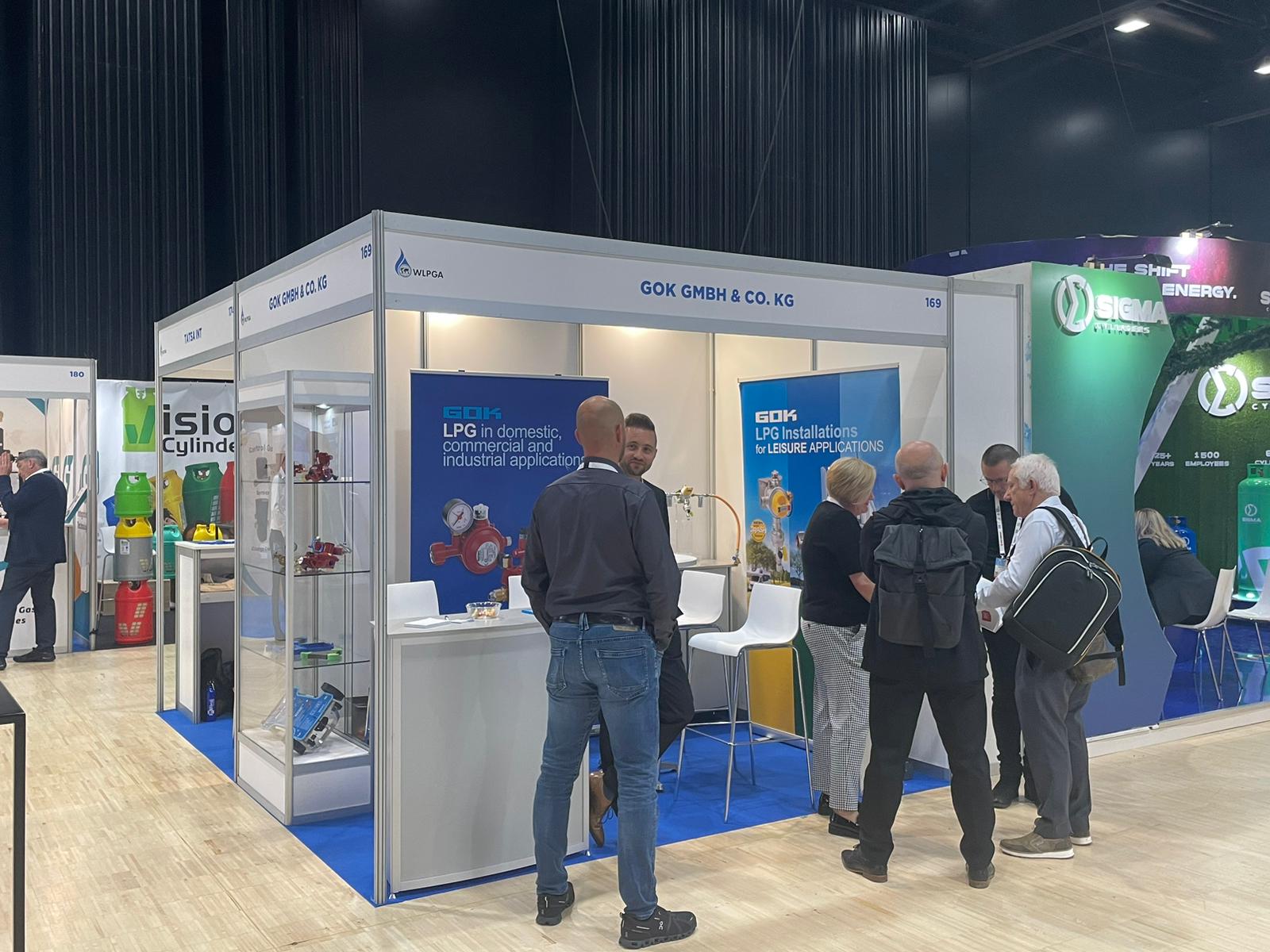
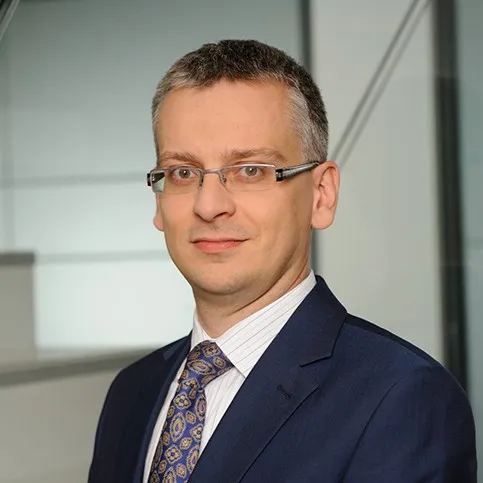
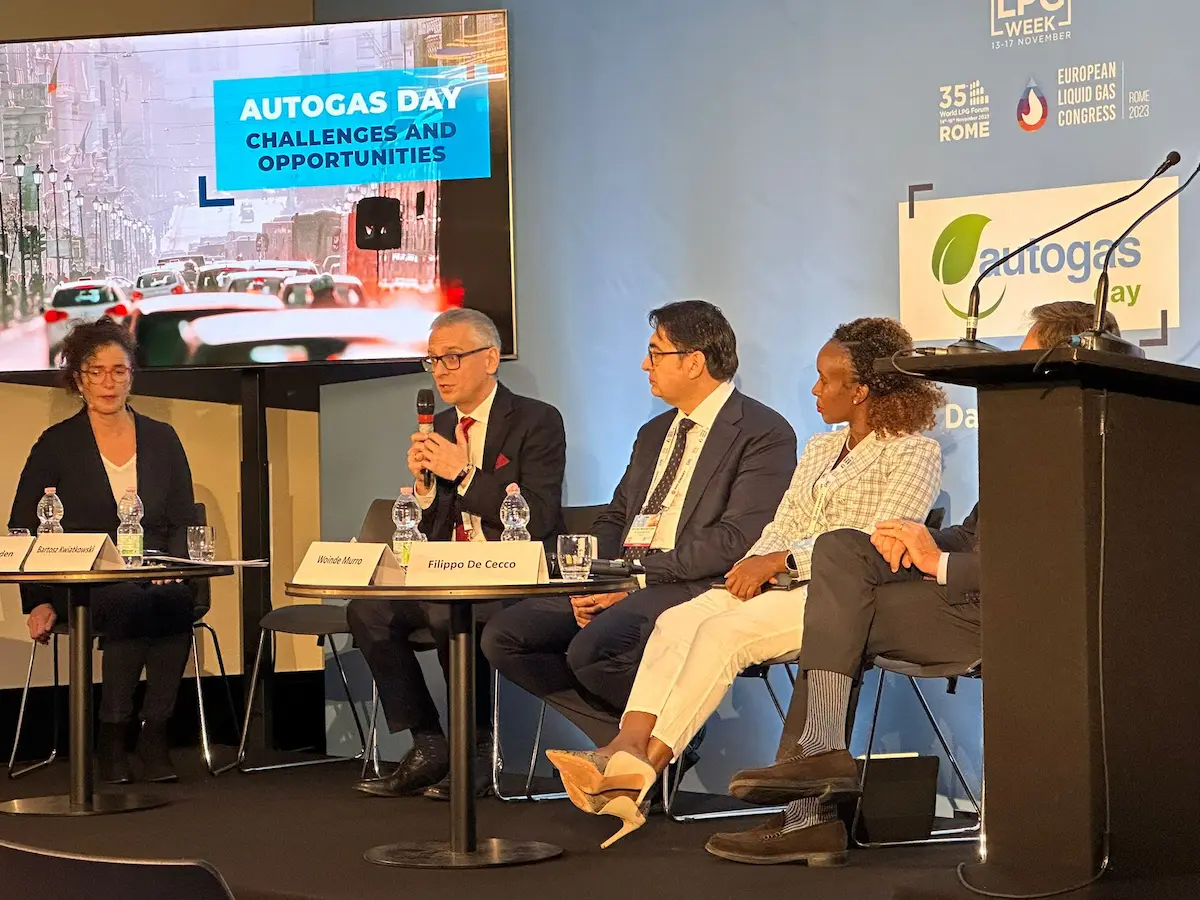
The e-petrol.pl portal has published an interview with Bartosz Kwiatkowski, Director General of the Polish Liquefied Gas Organization, summing up LPG Week in Rome – the largest LPG industry event of 2023, which closed on 17 November.
e-petrol.pl: What were the leading themes of the debates among representatives of the global LPG industry – do the global problems differ from our European and Polish specifics? What was the focus?
Bartosz Kwiatkowski: It is worth noting that the issues currently occupying representatives of the European LPG industry differ above all from those the sector is dealing with in other regions of the world. In Asia, South America and Africa, liquefied gas – as the most affordable alternative fuel – has become an energy carrier that makes it possible to fight energy poverty and that serves to improve air quality, something the International Energy Agency acknowledges in its reports World Energy Outlook and A Vision for Clean Cooking Access for All.
In Europe we are facing different issues, in particular the successive elements of the Fit for 55 package, but the emphasis in Poland and in the western EU countries is placed differently. In Poland the autogas segment accounts for ¾ of the LPG market, and it is precisely through the prism of the future of low-emission transport that we look at liquefied gas. In Western Europe, however, it is used above all for heating purposes and in the petrochemical industry. In the countries of old Europe – in Germany, France and the United Kingdom – a lively discussion is currently under way on the use of liquefied gas from renewable sources in the heating systems of residential buildings. Vast numbers of Europeans in rural areas have no access to a cost-acceptable alternative to LPG, which is why it is so important that, in the 2050 perspective, renewable liquefied gas should remain part of the energy policy of the Union's member states, as one of the important energy carriers which, alongside electricity or biomethane, deliver economically efficient decarbonization of the economy. The European liquefied gas industry is currently making every effort to have biopropane and renewable dimethyl ether recognized by the European institutions, which would give them a stable legal environment and the possibility of developing production in Europe, and hence independence from supplies from outside the Union.
Was there much talk during the sessions and meetings about the next sanctions package barring imports of LPG from the Russian Federation?
The question of sanctions on liquefied gas is practically a local topic for Central and Eastern Europe, because only Poland and the Baltic states import LPG from the Russian Federation (RF) in significant volumes. For the western countries, Russian imports – unlike in the case of natural gas – are of marginal importance, which is why this was not a significant thread at LPG Week in Rome.
Did any new technological ideas emerge that are not talked about in Poland in the context of the use of liquefied gas?
Technology around the liquefied gas industry is developing extremely dynamically. The greatest importance will certainly attach to the spread of liquefied gas from renewable sources, and here we are talking not only about biopropane – already produced in Poland as well, by the company Ekobenz. Great hopes are also being placed in the production of renewable dimethyl ether, a molecule that is known and widely used in, among others, the cosmetics industry and in construction and assembly, but which has only recently come to be considered as a promising fuel that can, without any technological modifications, be blended with conventional LPG up to a level of about 15-20 percent, and whose production is easy to scale up. Very soon a demonstration plant producing DME from municipal waste will start up in the United Kingdom. Technological innovations also cover new segments in which liquefied gas is used. In the context of the new European pollution standards for marine fuels, further seagoing vessels are entering service powered by LPG as a fuel that is easy to bunker and store the Baltic, for example, would be a very interesting body of water for the development of shipping powered by liquefied gas. In the United States, in turn, work is under way on new engines for trucks and special-purpose vehicles powered exclusively by LPG. The USA is the world's largest producer and exporter of liquefied gas, and converting heavy road vehicles from diesel to liquefied gas (LPG) would dramatically reduce emissions of particulates and other pollutants from transport. For the same reason, generating sets powered by liquefied gas are spreading – environmentally friendly, cheap to run and irreplaceable in conditions of unstable energy supply or in the event of natural disasters. Another interesting solution, although one that is still only being tested, is the use of liquefied gas as a medium for storing hydrogen produced by electrolysis. As we know, hydrogen is a gas that is technically very difficult to store because of its physico-chemical properties, and so, unless pipeline transport is possible, for its large-scale storage and transport in the future it will have to be bound into the form of ammonia, methanol, or indeed propane or dimethyl ether.
Did the Polish LPG industry have a significant presence at this combined global and European event?
Polish companies were visible in Rome as exhibitors, but what is very pleasing is that a real crowd of Polish visitors turned up as well. The interest was helped by convenient connections to Rome and by the sheer appeal of the LPG Week location. In my view this bodes well for the European Liquefied Gas Congress, which Liquid Gas Europe plans to hold in Poland in 2025. After all, the liquefied gas industry means pressure tanks, autogas conversion systems, fittings, pumps, telemetry and many other components in which Polish businesses have a great deal to offer the world.
Was there any talk of changes stemming from climate policy that Polish businesses connected with the LPG market ought to know about?
The industry faces the implementation of the entire package of measures linked to the European Green Deal. Ever since the European Commission presented the first tranche of measures in 2021, work on this package has formed a very important part of the activity of the Polish Liquefied Gas Organization. I would like to draw particular attention, among other things, to bringing sales of LPG on the transport and heating markets within the emissions trading system, which will require distributors to put in place the monitoring and reporting of CO2 emissions. A great deal is happening on the heating market: the recent German heating act creates a point of reference both for European and for national regulation in the field of heating, introducing a mandatory share of renewable energy sources for heating systems and imposing on local authorities an obligation to draw up plans for phasing out fossil fuels.
While in Poland we are at the stage of implementing the second renewable energy directive (REDII), the next one, REDIII, which tightens the renewable energy targets for member states, has recently been adopted. In Western European countries LPG blended with biocomponents is already being sold, and before long it will unfailingly appear in Poland too.
It is also worth following closely the work on the new directive on the energy performance of buildings and on the ecodesign regulation, in the case of which – breaking the principle of technological neutrality – a coalition of manufacturers and distributors of electric heating appliances, activists and radical politicians is doing everything it can to secure a monopoly on the municipal heating market for compressor heat pump technology. The list of legal acts concerning the liquefied gas market that are currently being amended at European level is enough to give you a headache. It also includes, among other things, new rules for the labeling of gas cylinders (the so-called CLP Regulation) and the proposal to ban the use of Teflon. I can only appeal for European regulations to be followed closely, because it is not uncommon that, by the time they reach implementation at national level, it is already too late to influence their fundamental shape.