The LPG Industry and the Humanitarian Crisis Caused by the War
27 December 2022
The military aggression of the Russian Federation against Ukraine, launched on 24 February, triggered the largest migration movements in Europe since the Second World War. During this humanitarian crisis, LPG proved its value as an energy carrier that quickly and effectively delivers hope and the means of survival to displaced people. The World LPG Association has published a case study of the support offered by the industry to people affected by the humanitarian crisis.
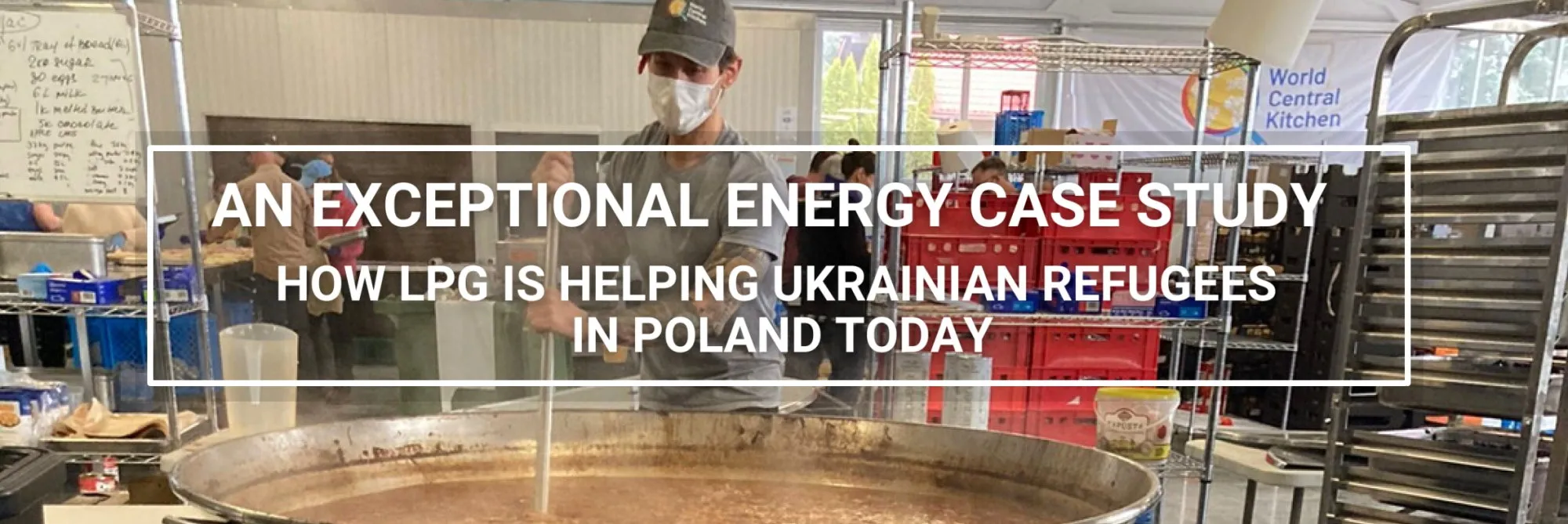
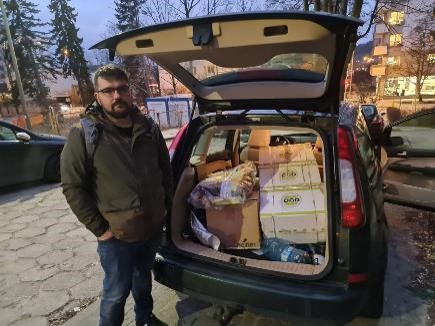
A case study published in December by the World LPG Association in cooperation with the Polish Liquefied Gas Organization sets out to present the role played, in the face of the humanitarian crisis caused by the Russian invasion, by both the industry and our fuel. From the first days of the invasion, companies and their employees demonstrated unity and commitment in helping refugees. It was not without significance that even before 2022 the industry employed many people of Ukrainian origin.
According to official data published by the Polish Border Guard, over the first 8 months of the Russian aggression Border Guard officers processed more than 7 million people at border crossings on the route from Ukraine to Poland. Over the same period, more than 5.3 million people had already returned from Poland to Ukraine.
Because of their geographic proximity, Poland and Ukraine are deeply interconnected. Labor migration and the presence of workers of Ukrainian origin in the Polish labor market are a permanent feature, and Ukrainians have integrated well into Polish society. According to the UN Global Compact report Zjednoczony biznes dla Ukrainy (United Business for Ukraine), which attempts to estimate the scale of business support for Ukraine, 97% of respondents became involved in some way in helping people from Ukraine: 81% of them declared in-kind assistance, 70% financial assistance, and 60% other forms of support, including volunteering.
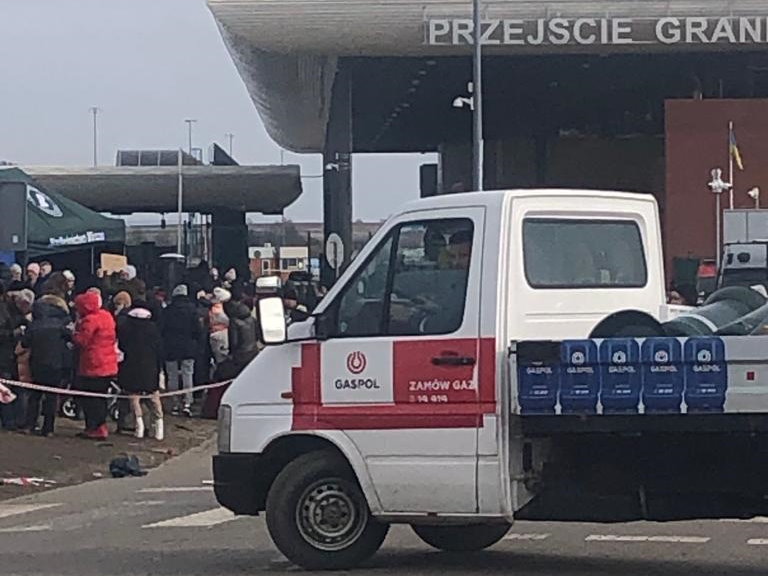
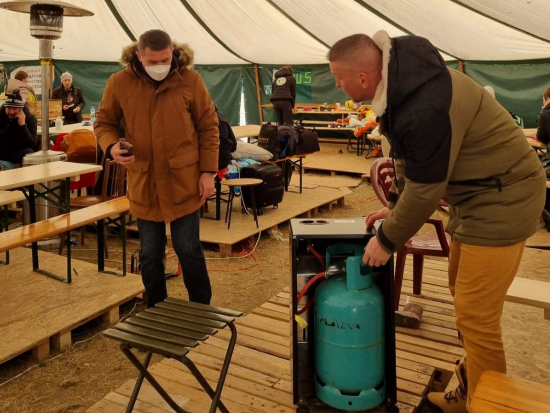
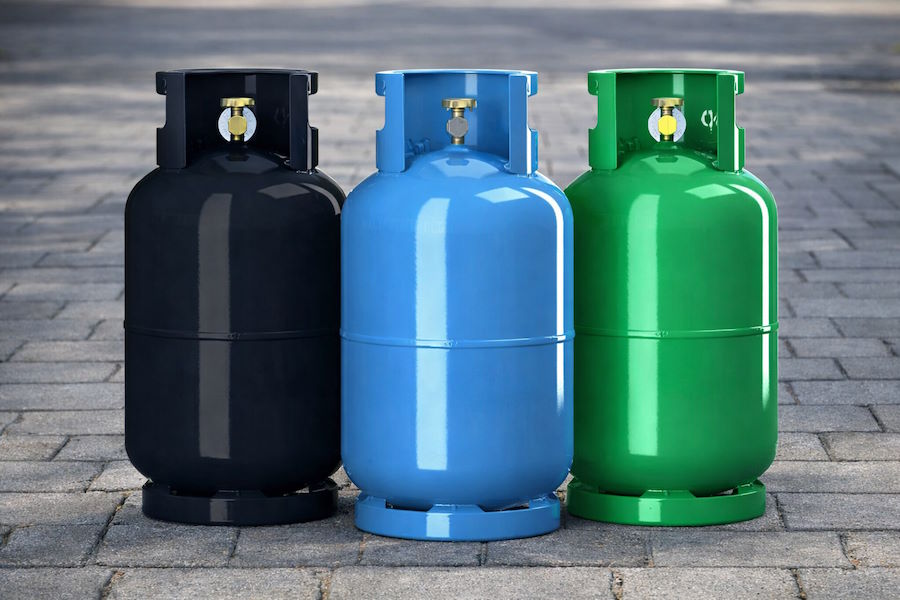
LPG provided heating and hot meals for refugees crossing the Polish border. What mattered here was that the characteristics of LPG make it possible to deploy heating installations quickly wherever they are needed, including where there is no existing energy infrastructure. In the winter of 2022 these qualities of LPG took on even greater importance in view of reports of the systematic destruction of Ukraine's energy infrastructure – in such conditions liquefied gas is the optimal temporary solution, one that has been used widely in the past, for example after the earthquake and tsunami with their tragic consequences in Japan in 2011.
The most important forms of support provided by the LPG industry to refugees in 2022 included:
- providing accommodation and heating for refugees,
- supplying fuel for field kitchens serving hot meals,
- technical support in setting up reception points and field kitchens,
- organizing transport for people, including employees' families, from the border,
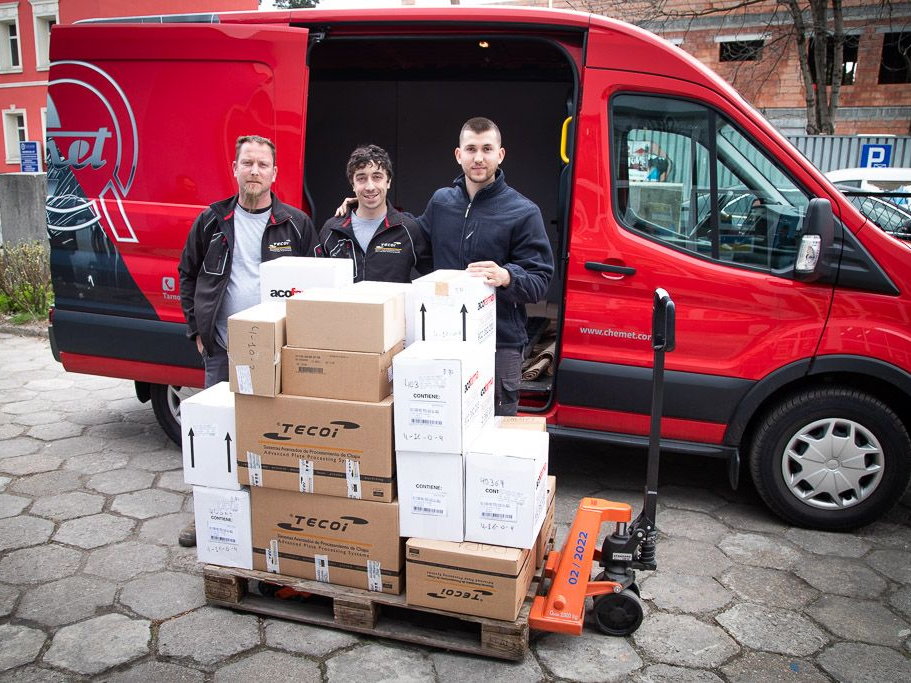
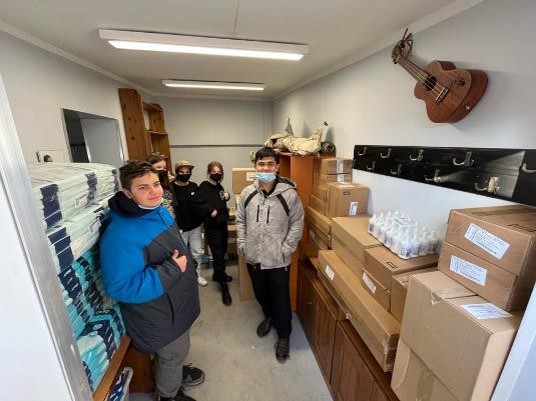
- financial and in-kind assistance, both collected among employees and funded by employers.
Cooperation between companies and non-governmental and humanitarian organizations was crucial in order to reach effectively wherever help was needed. As an industry organization, POGP was involved in coordination work, bringing together all the parties concerned. The Polish LPG industry's commitment to helping Ukrainians remains significant. The models and good practices developed for relief operations may serve in similar crises in the future.
We thank our members for their support in the work on this text: AmeriGas Polska Sp. z o.o., Bałtykgaz Sp. z o.o., Chemet SA, DragonGaz Sp. z o.o., Gaspol SA and GOK Regler und Armaturen Polska Sp. z o.o.
Read more in the World LPG Association report.